Spotting trouble on a Garden Grove lawn
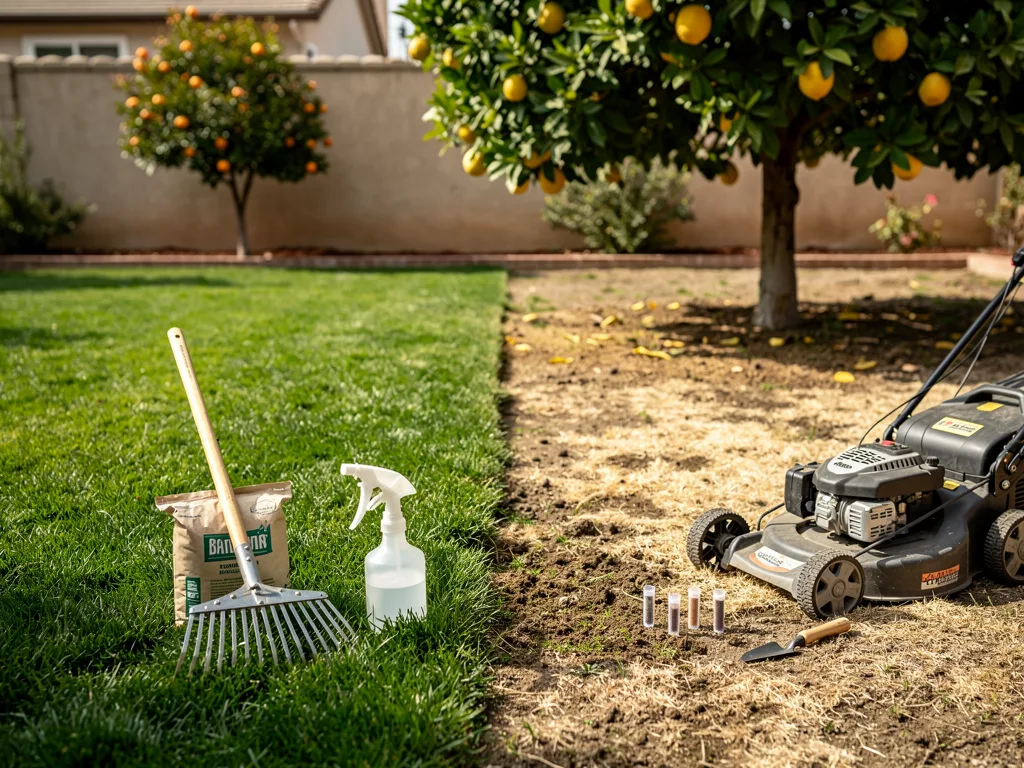
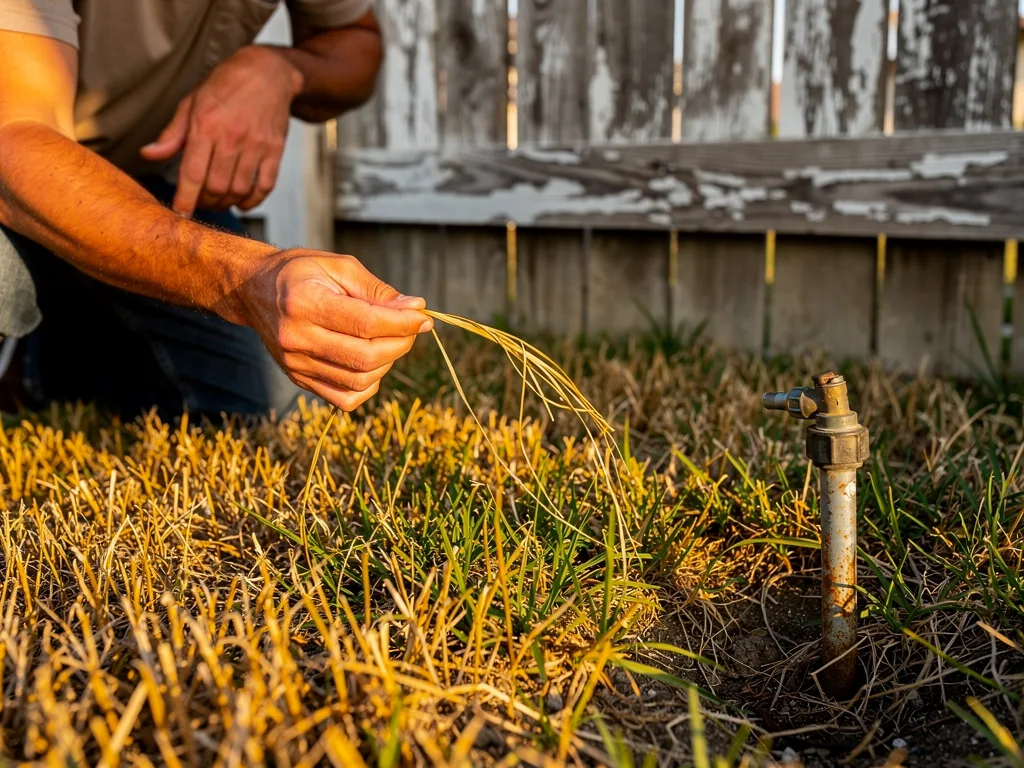
Garden Grove homes often show a few telltale signals before a lawn really suffers. You may notice grass blades losing their green color, turning yellow or pale, or patches that don’t fill in as the season changes. In our climate, heat and dry spells stress lawns quickly. You might also see footprints that press down and stay, or a ring around the yard where growth looks thin. These are not random issues; they point to underlying needs that can be addressed with practical steps.
Another common indicator is uneven texture. If some areas feel firmer underfoot or the blades stand at odd angles, that can mean compacted soil or that the root zone isn’t getting enough air and water. A Garden Grove lawn often works hard for you, so it’s worth paying attention to these signals before they turn into bigger problems.
Finally, watch for unusual weed growth paired with thinning turf. Weeds can crowd out healthy grass when conditions favor them, especially after summer heat or a dry spell. If you’re seeing more weeds than usual on a lawn that should be thick, it’s a sign to take a closer look and plan a path forward.
Why these signs matter for Garden Grove homes
The Garden Grove climate means soils can vary from calm, clay-rich patches to sandy spots. Each soil type drinks water differently and warms up at its own pace. When you notice the first faded blades or thin areas, you’re seeing a sign that the soil needs help or the watering plan needs adjustment. Early action saves time and money and keeps your lawn from slipping into longer-term trouble.
Local conditions also matter. If you have a shade pattern from trees, an irrigation zone that’s not reaching the lawn, or pathways that redirect water away from turf, those details influence how quickly turf deteriorates. Understanding these nuances is what a Garden Grove lawn care routine should address.
Takeaway for Garden Grove homeowners: trust your eyes, and don’t wait. Small changes now prevent bigger issues later, especially during hot stretches when lawns are most vulnerable.
Action steps you can take now
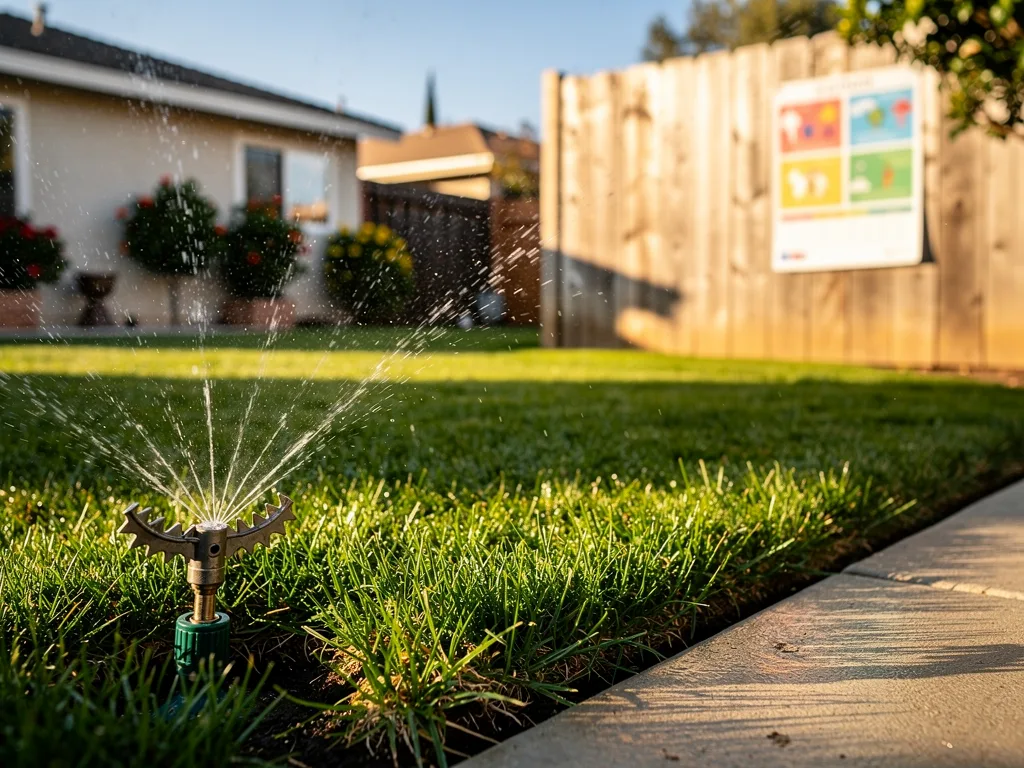
Start with a simple assessment. Look for yellowing, thin areas, and patchy growth. Check soil moisture in several spots; if the top inch is dry, that’s a cue to water more consistently. If you’re unsure how often to water, a good baseline is about 1 to 1.5 inches per week including rainfall, but adjust for heat and wind in Garden Grove.
Address compacted areas by lightly aerating with a hollow-tork spike or small push aerator. Keep foot traffic off bare patches while roots recover. Feed with a light, balanced fertilizer following product directions for your grass type, and avoid heavy applications that can burn roots in hot weather.
Consider a simple schedule: two light waterings per week during heat waves, one thorough watering in the cooler early morning, and a monthly check of turf color and growth. If you see persistent yellowing or thinning after these tweaks, it’s time to bring in a local pro for a closer look. Utah Landscaping serves Garden Grove and nearby towns with practical, neighborly guidance.
One quick checklist
- Inspect color and density in 4 corners of your lawn
- Test soil moisture at 2 inches deep
- Shade patterns and root zones observed in the evening
- Record any weed patches and growth changes over two weeks